

Bedouin Tentsⴾⴰⵃⵉⵎⴰ
Rhythm of Sand and Wind.
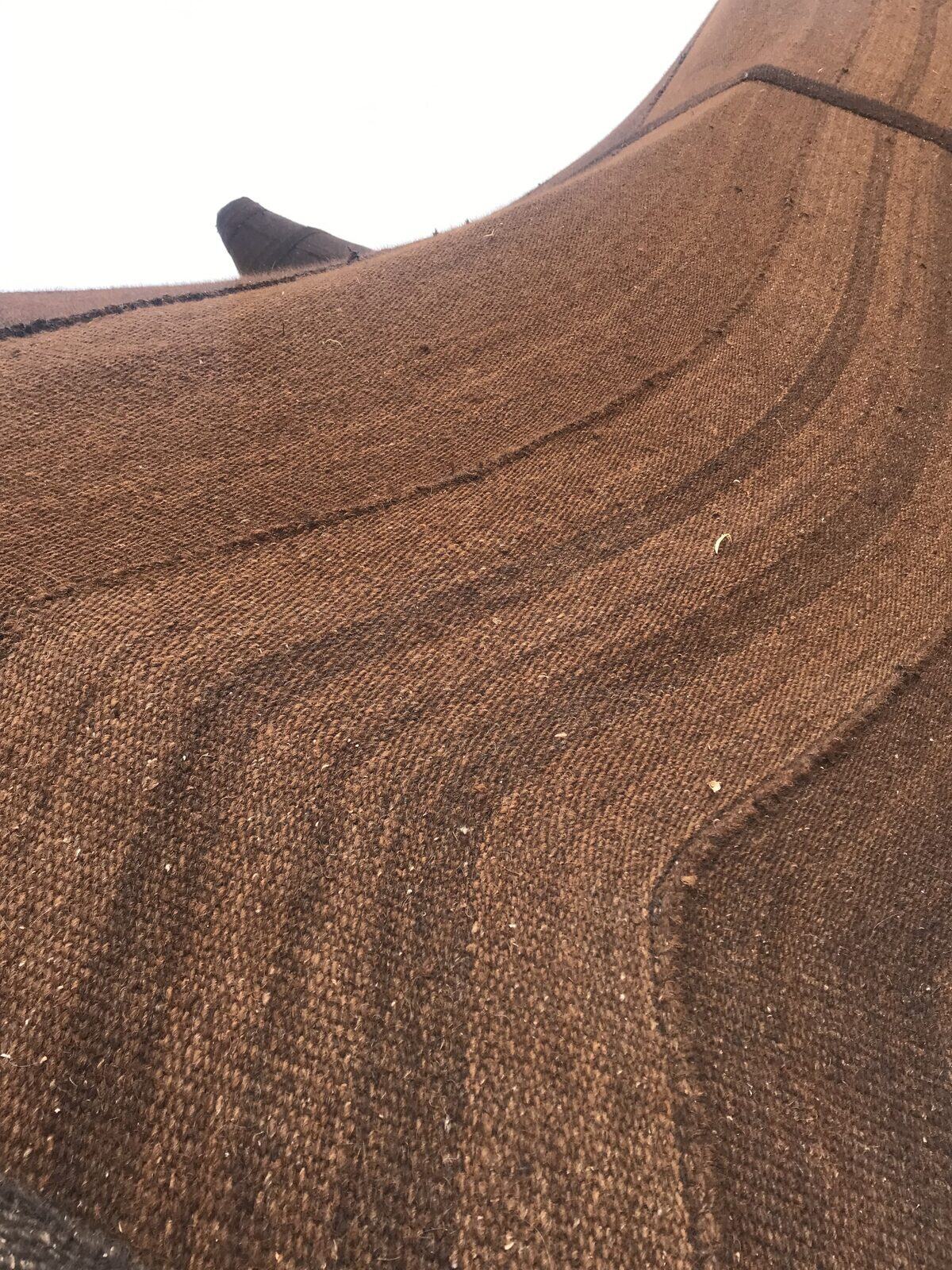
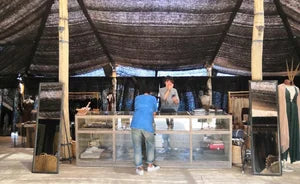
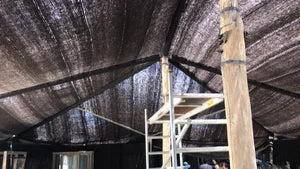
Lightweight, durable and naturally weather-resistant, they have sheltered generations across the vast Sahara, where caravans move like whispers of history beneath starlit skies. Their black fibers expand slightly when wet — keeping interiors cool in summer and warm in winter, a design perfected over centuries of desert life.
More than shelter, Khaima tents are living symbols of nomadic heritage: spaces where families gather, stories unfold and meals are shared under the eternal rhythm of sand and wind. Handcrafted by skilled artisans, each tent carries this ancient spirit into modern experiences.
Who are the Bedouin people?
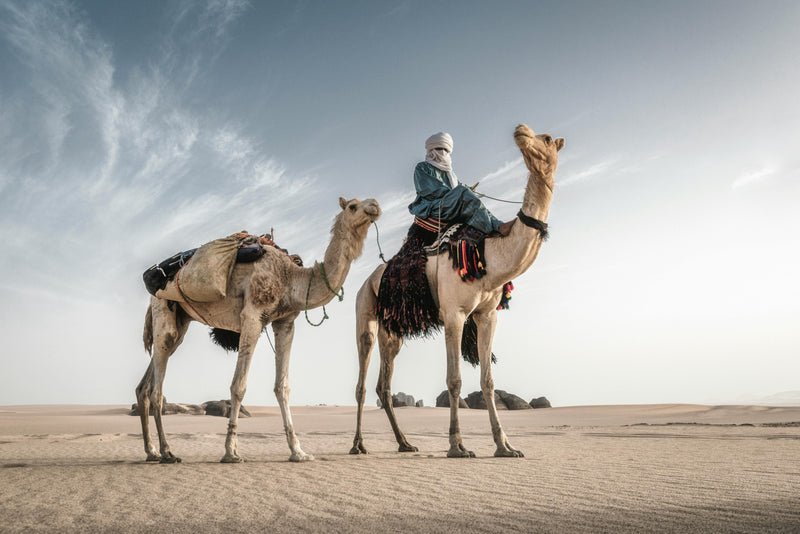
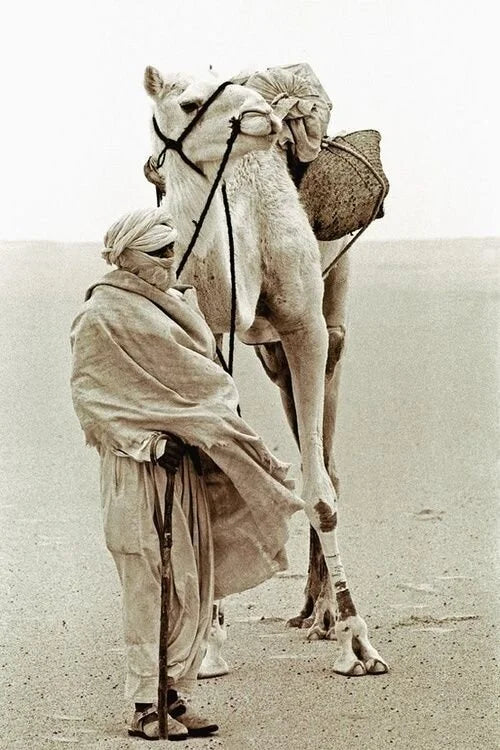
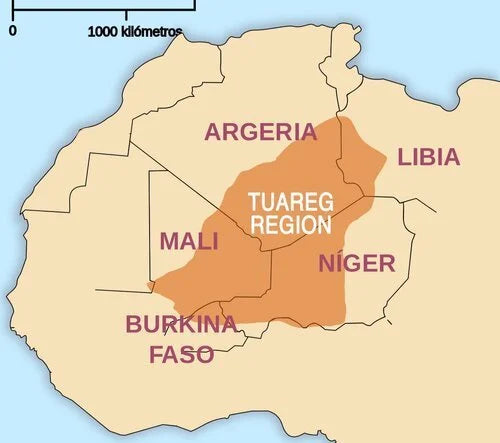
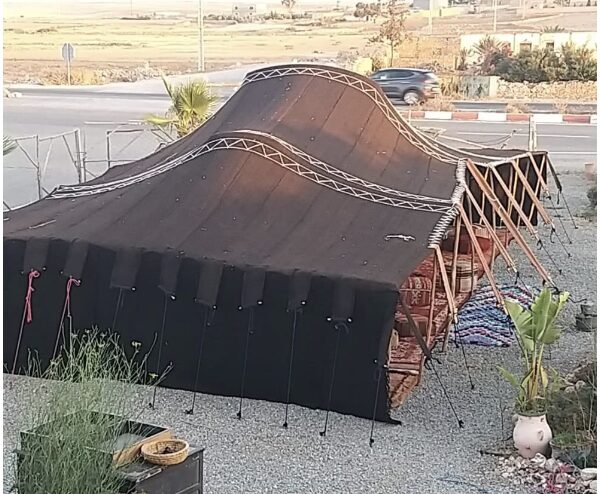
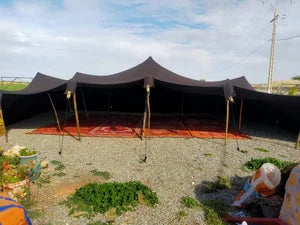
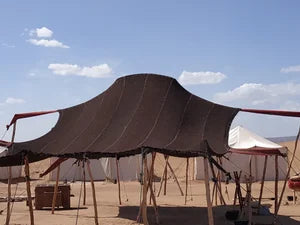
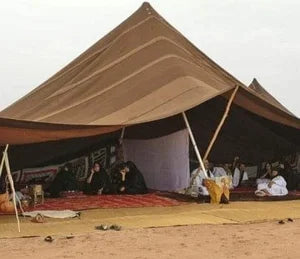
The Bedouins are semi-nomadic people whose roots stretch deep across the Middle East and North Africa, migrating with their herds to seasonal pastures. For centuries, their traditional Sahara Nomad Tents—also known as Bedouin or Bivouac Tents—have served as resilient shelters for these wandering communities. Crafted to withstand the harsh desert winds and ever-changing climates, these tents have evolved over generations, embodying the perfect balance of form and function. Their minimalist yet durable design allows for swift assembly and disassembly, reflecting the nomadic way of life that values both practicality and the timeless beauty of tradition.
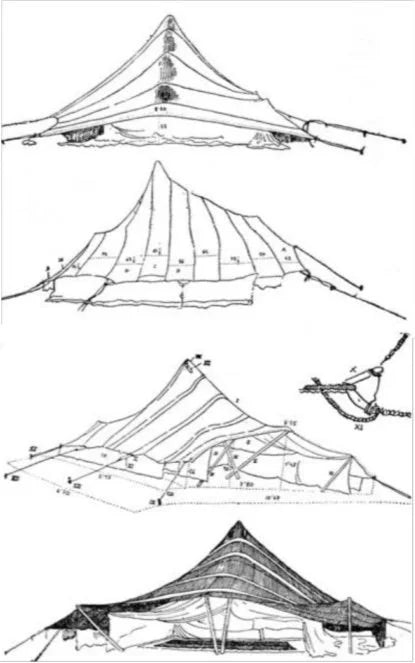
What are Bedouin Tents Crafted From?
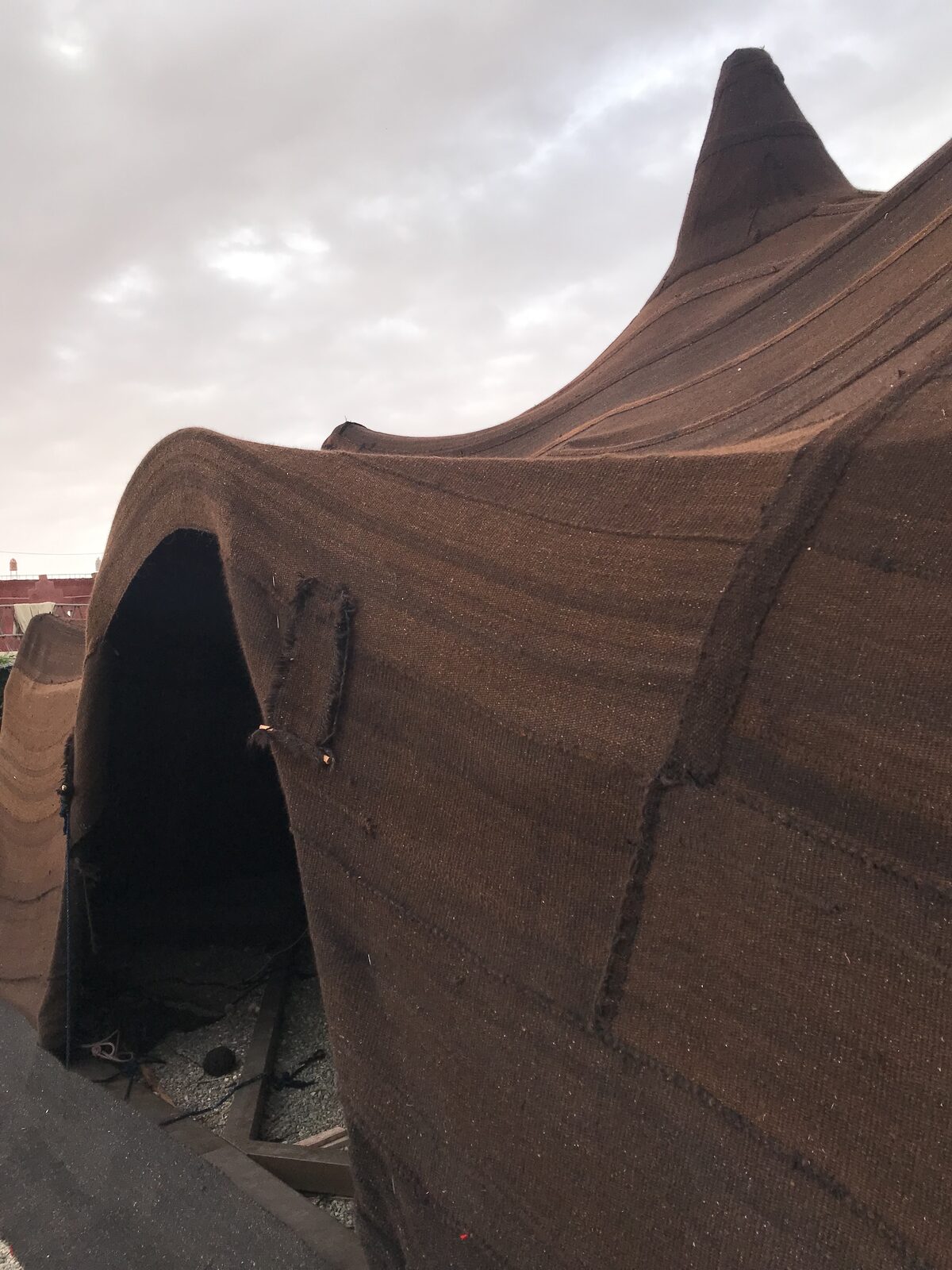
Bedouin tents are woven using traditional methods passed down through generations, blending camel and goat hair to create a fabric both strong and beautiful. The process begins with 50cm diameter panels, woven by hand on a nomadic loom, each one carefully sewn together to form the desired size. While the tents start with a deep black hue, the sun's embrace gradually transforms them into a rich, earthy brown, reflecting the passage of time in the desert.
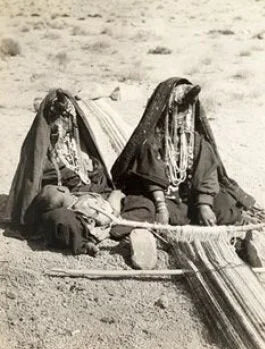
The weaving itself is a sacred craft, predominantly carried out by women on a ground loom. The result is a tightly woven, three-ply textile, known for its strength and durability. This versatile material is used not only for tents but also for camel bags, rugs, and pillows—every piece a testament to the ingenuity and resourcefulness of the Bedouin people.
The wool, collected from their herds, is carefully cleaned, brushed, spun, and then woven, reflecting the deep connection between the tribes and their livestock—essential to their survival. Weaving these textiles is one of the oldest and most cherished crafts, with each tribe passing down its unique designs and techniques, preserving a rich legacy of artistry and tradition.
What is the Traditional Name for a Bedouin Tent?
Bedouin tents are known by many names, each reflecting the rich cultural heritage and nomadic lifestyle of the tribes. They are called bayt al-shar, meaning "house of hair" in Arabic, a nod to the woven camel and goat hair that forms their structure. Often referred to as bivouac tents due to their temporary nature, they are also known as Middle Eastern or Berber tents, depending on the region and tribe. Above all, they are simply called nomad tents, embodying the spirit of a life lived in constant movement, deeply grounded in the traditions of the desert.
Camel hair weaving
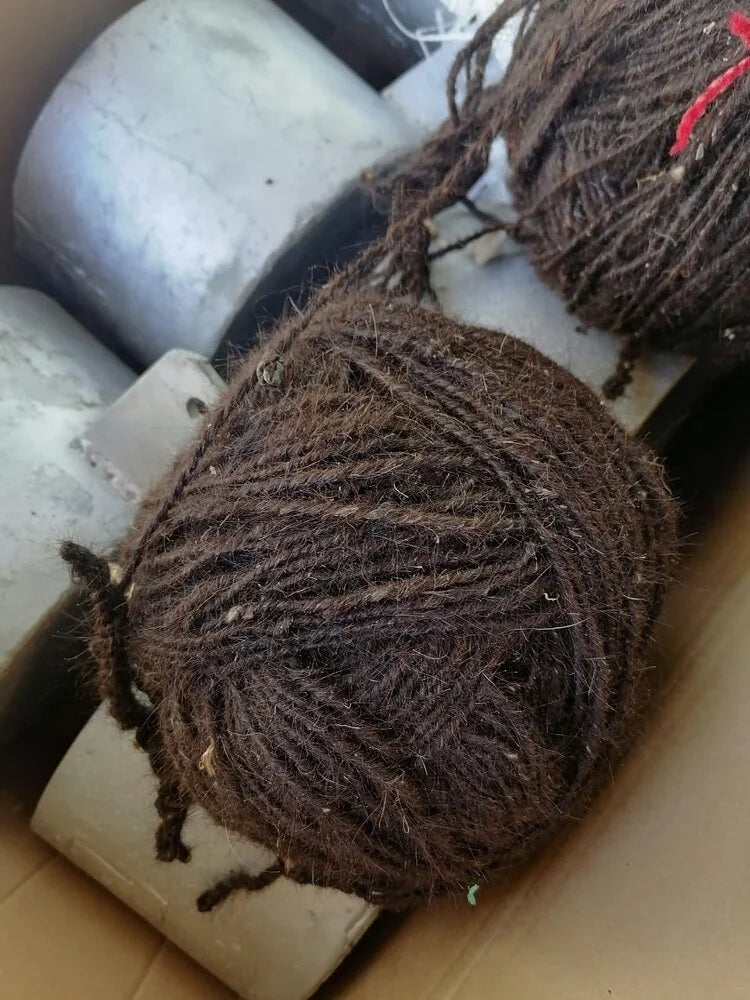
Handspun camel and goat wool reveals the natural fibers that form the foundation of a Bedouin tent — each thread woven for a durable, breathable shelter.
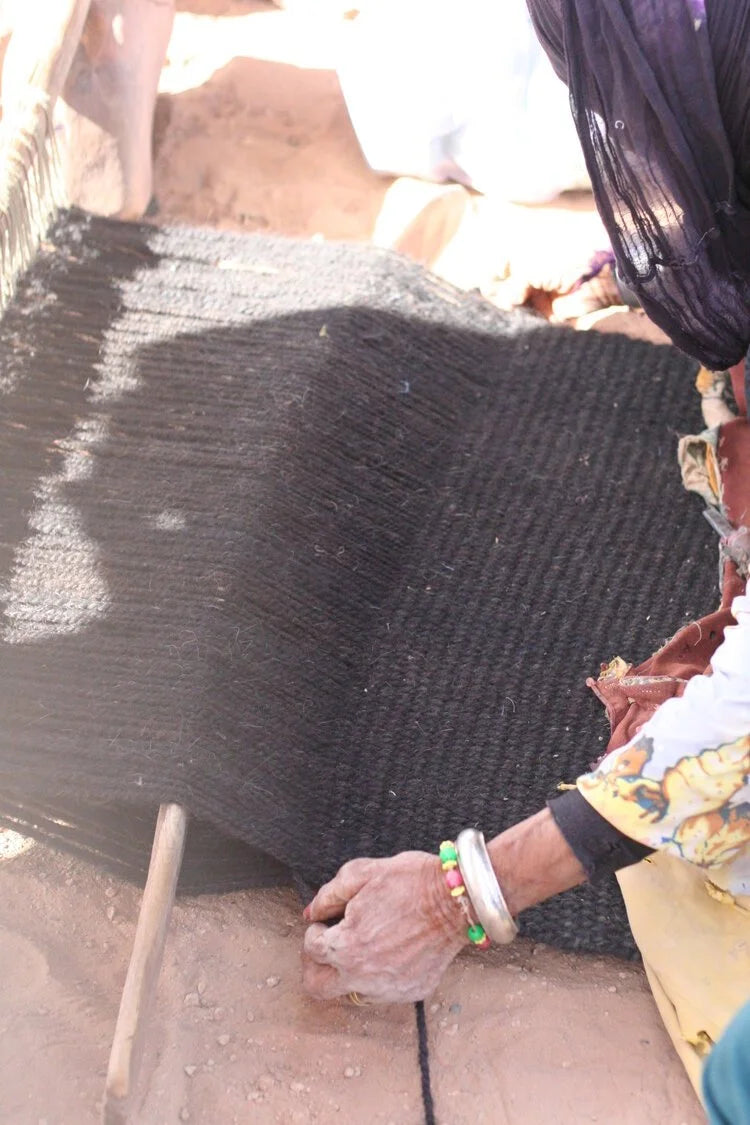
A skilled artisan weaves camel and goat hair on a traditional loom, honoring centuries of craftsmanship as the earthy tones of the fabric emerge.
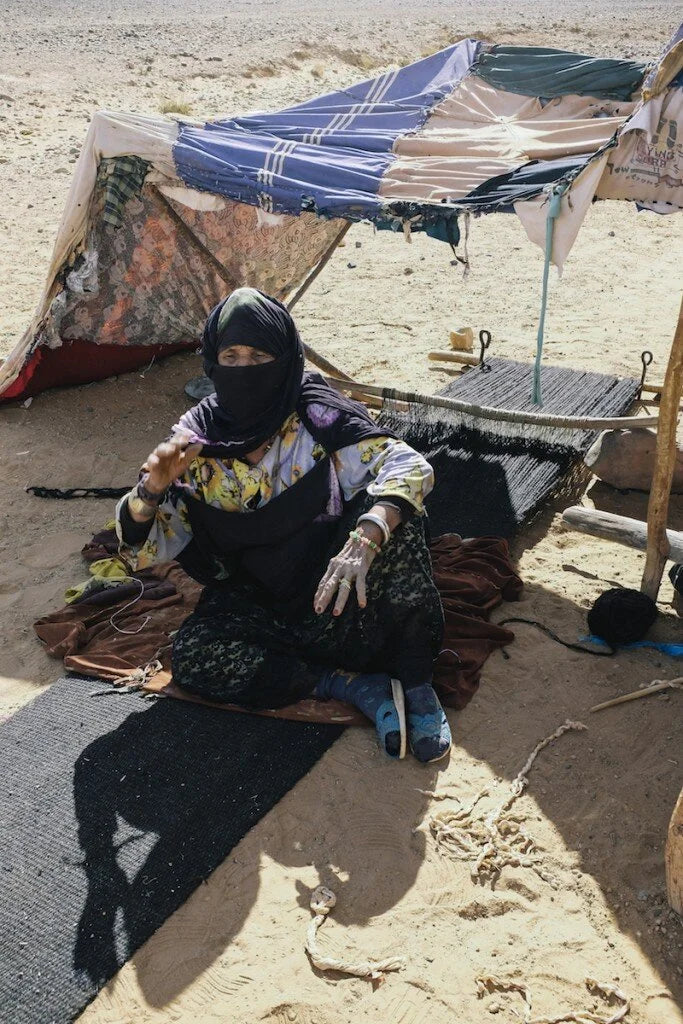
Her hands expertly guide the threads on the loom; the fabric takes shape, each weave a testament to skill and enduring tradition.
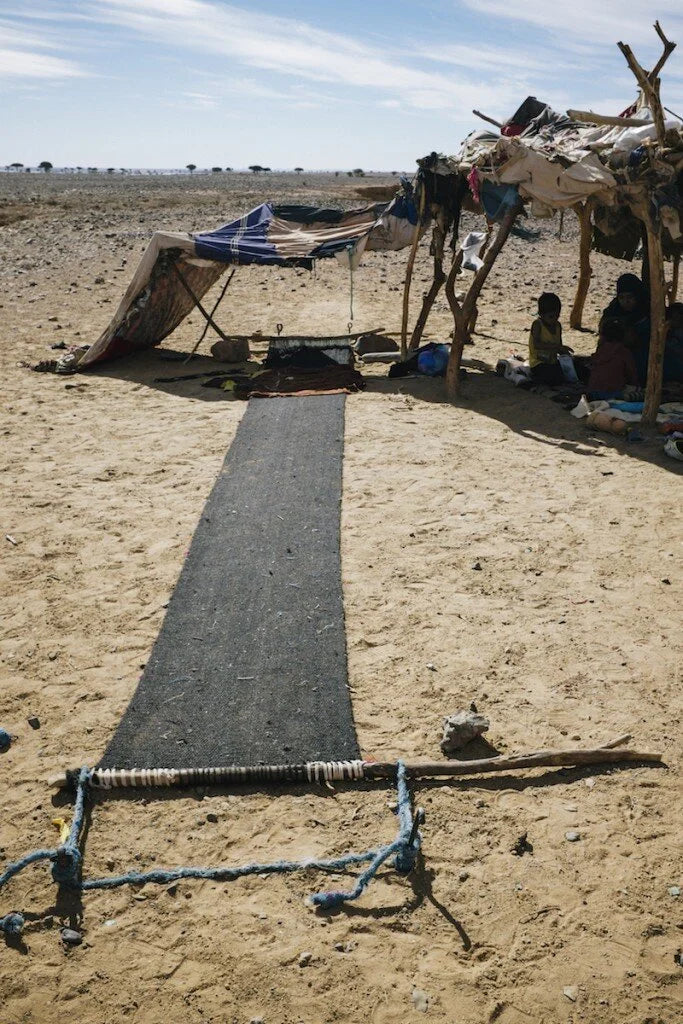
The fabric is laid out on the ground, each panel a step closer to becoming a fully-formed Bedouin tent, ready to shelter from the desert's elements.
Everything you need to pitch it
The full six-stage set-up: site preparation, raising the hamar beam and roof, staking and guy ropes, side panels, final tensioning and safety guidelines.
Storage preparation, fabric conditioning, airing and sunlight, and traditional repair with camel hair thread — to keep the tent sound for years.


More beautiful tents you might like
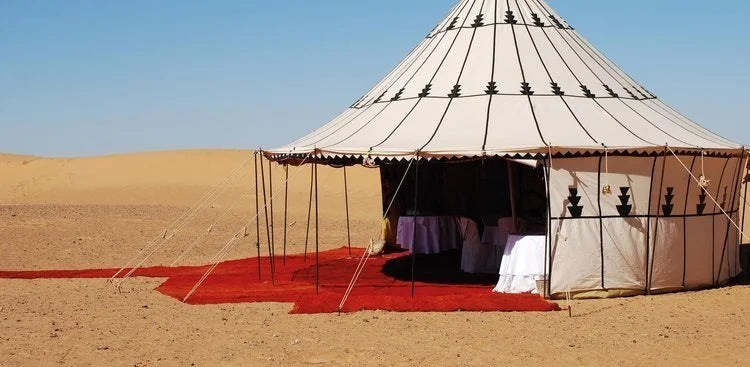
Pole Tents
Heavy cream canvas with a single pole in the middle. Available with or without black Moroccan motif.
Shop Pole Tents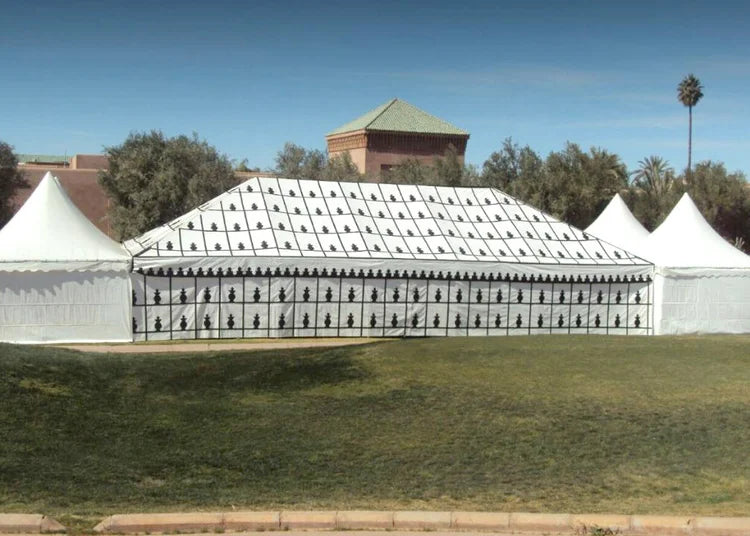
Full Frame Tents
A sturdy metal frame for a clean, open interior — a luxurious, versatile space for events of all kinds.
Shop Frame Tents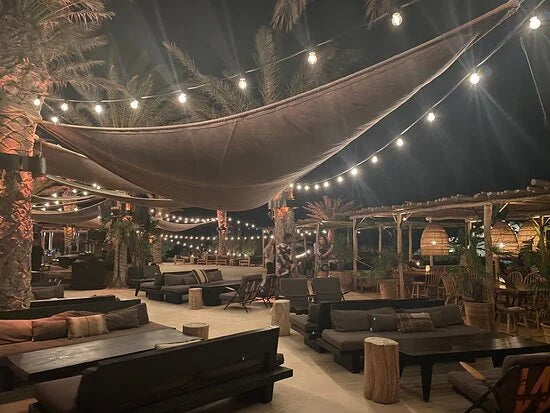
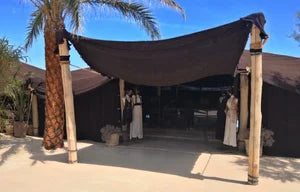
Sun Sails
Hand-finished cotton-canvas shade sails, tensioned to cut the sun to a soft, moving light.
Shop Sun SailsTell us about your space
Share your measurements and fixing points and we'll come back with a shape, a fabric and a quote — usually within a day.